

I'm Lara Strobosch Conesa, a specialist in Internal Medicine
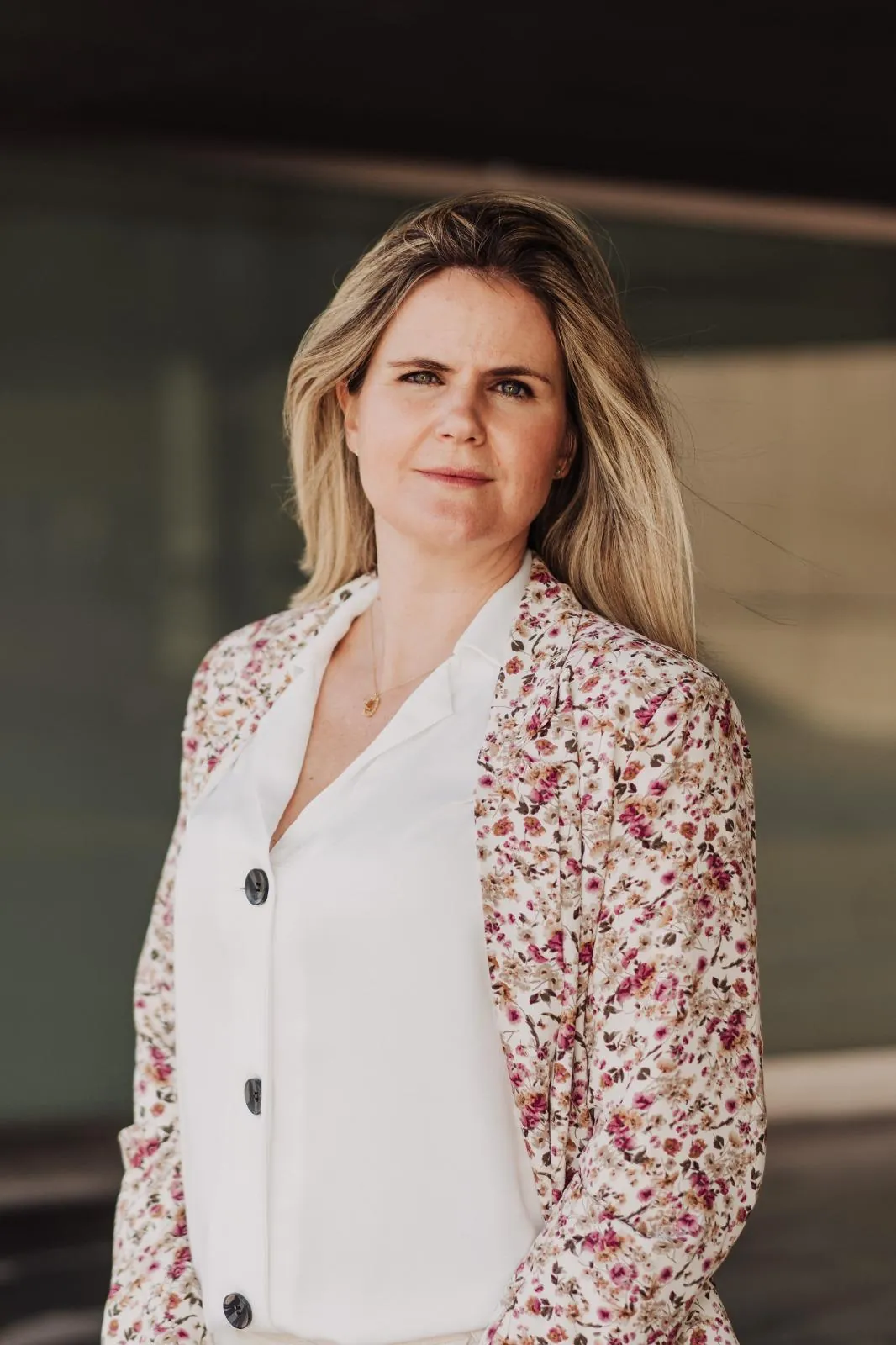
My story: learning to look beyond symptoms
From an early age, I knew I wanted to become a doctor. I have always felt drawn to supporting people when they are vulnerable, helping them understand what is happening to them and relieving their suffering.
That vocation has stayed with me over the years, although my understanding of health has evolved through clinical experience and continuing education.
My medical training: from the Netherlands to Murcia
-
Utrecht
I began studying Medicine at Utrecht University in the Netherlands, my father's home country.
During an Internal Medicine placement in Málaga, I realised that I wanted to build my medical career in Spain, my mother's home country.
-
Murcia
I continued my studies at the University of Murcia and then completed five years of specialist training in Internal Medicine at Hospital General Universitario Morales Meseguer.
-
Emergency departments
After finishing my residency, I continued working in the emergency departments of Hospital Morales Meseguer and Hospital de la Vega, in Murcia.
Those years gave me experience assessing patients with a wide variety of health problems, some of them complex and requiring prompt clinical decisions.
Fifteen years of hospital experience
-
2017
In 2017, I joined Hospital Perpetuo Socorro in Cartagena, working as an Internal Medicine physician with both inpatients and outpatients.
During this period, I cared for patients with acute illnesses, chronic conditions, multiple medical problems and palliative care needs.
Hospital practice taught me the importance of looking at each situation as a whole. In Internal Medicine, we cannot always understand a symptom by focusing on a single organ or disease. We often need to connect medical history, treatments, clinical conditions and personal circumstances.
-
2021
In 2021, I became Medical Director of Hospital Perpetuo Socorro.
It was a period that allowed me to understand hospital organisation from a different perspective and take on new responsibilities.
It also helped me confirm what I find most meaningful in my profession: direct contact with patients.
-
2025
After my maternity leave, I decided to return to clinical practice, caring once again for hospital inpatients and people attending outpatient consultations.
In 2025, I began a new chapter of hospital work in Cartagena, continuing my dedication to Internal Medicine.

What palliative care taught me
My experience with patients who need palliative care has had a profound influence on the way I practise medicine.
I learned that behind every diagnosis is a person with their own fears, needs, priorities and experience of illness.
I also came to understand that medicine is not only about diagnosis and treatment. At certain times, listening, explaining, relieving symptoms and supporting patients as they make decisions are fundamental parts of care.
That experience remains part of my work, especially when I see people living with complex conditions or going through difficult medical situations.
Continuing to learn so I can understand more
Throughout my career, I became increasingly interested in digestive problems and in patients whose symptoms continued despite undergoing various tests or treatments.
I felt the need to broaden my knowledge and explore other factors that might be relevant to their health.
During a period of maternity leave, I completed a master's degree in Integrative Medicine and later pursued further postgraduate study with a master's degree in Microbiota.
These studies helped me explore the relationships between digestive health, nutrition, lifestyle habits and different processes within the body.
For me, this education is not an alternative to Internal Medicine. It broadens the knowledge I bring to each patient's assessment.
How I understand medicine today
After 15 years of hospital practice, I still believe that good medical care begins with listening.
I want my patients to feel that they are speaking to a doctor who is interested in their story, gives them space to explain their concerns and tries to understand not only their symptoms but also the circumstances in which those symptoms arise.
I want to know how they live, how they sleep, what they eat and which factors may be affecting their wellbeing.
We will not always find every answer in the first consultation. But we can establish what we know, what we still need to investigate and how to move forward in a considered way.
Because, to me, caring for someone begins with understanding them.