

Palliative Care and Medical Support in Cartagena
Caring also means listening, relieving symptoms and being there

When someone is living with a serious illness, medical care should not focus solely on the diagnosis or treatment.
It is just as important to understand how that person is feeling, which symptoms affect their quality of life, what concerns them and what they need at each stage of their illness.
My hospital experience caring for patients with complex illnesses and palliative care needs has profoundly shaped the way I practise medicine.
I have learnt that, at certain times, listening, relieving symptoms, explaining what is happening and helping people make decisions can be just as important as other medical interventions.
What is Palliative Care?
Palliative Care is an approach to care that aims to improve the quality of life of people facing serious illness and of their families.
Its purpose is to prevent and relieve suffering by identifying and addressing physical, emotional, social and, where appropriate, spiritual needs.
Although Palliative Care is often associated with the final stages of life, it can also be helpful earlier in the course of a serious illness and alongside treatments aimed at managing that illness.
It does not necessarily mean that treatment options have been exhausted.
It means recognising that, as well as treating a condition, we need to pay attention to how the illness affects the person living with it.
My experience caring for patients with palliative care needs
Throughout my hospital career, I have supported patients with advanced illness, highly complex conditions and a wide range of medical needs.
I have worked with people who needed help managing difficult symptoms, understanding how their illness was progressing or making important decisions about their care.
I have also seen at first hand the concerns of family members, who often need guidance to understand what is happening and how best to support their loved ones.
These experiences have taught me that everyone faces illness differently.
Some people want to know every detail of their condition. Others need time to take in the information or express their worries.
As a physician, I believe it is essential to respect these differences and adapt communication to each person's needs.
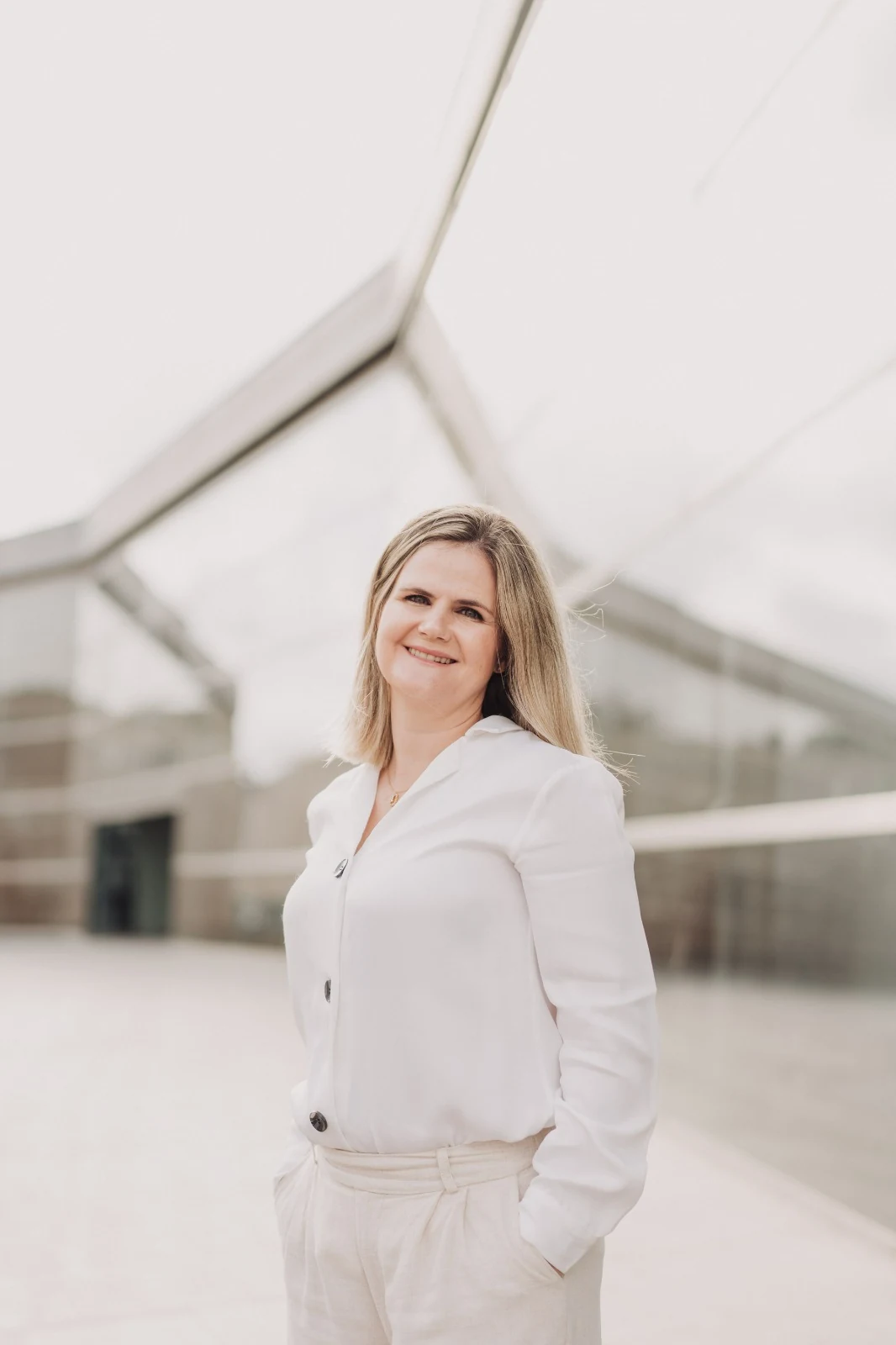
How can I help through my consultation?
My private consultation offers medical assessment, support and follow-up for people living with serious or complex illnesses.
Depending on your circumstances, we can address a range of needs.
When an illness causes pain, fatigue, digestive difficulties, sleep disturbances or other symptoms, it is important to assess possible causes and consider measures that may help.
The assessment includes reviewing your clinical situation, current treatments and factors that may be contributing to discomfort.
When needed, I will help direct you towards the professionals or services with the appropriate specialist resources.
People with serious illnesses may be taking several medicines and living with more than one health condition at the same time.
Through Internal Medicine, I can provide an overall clinical assessment, review treatment and consider potential interactions or difficulties related to medication.
Any change must take account of the illness, the goals of care and coordination with the professionals responsible for your treatment.
Sometimes people receive a great deal of medical information in a short time and find it difficult to understand what it means for them.
Taking time to review reports, explain medical findings and answer questions can help patients and families participate more fully in decisions.
My aim is to communicate clearly and respectfully, in a way that meets each person's needs.
Serious illness can have a profound effect on daily life.
It may affect sleep, nutrition, independence, relationships and the way someone sees their future.
That is why I believe it is important to listen to each patient's concerns and understand which aspects of their wellbeing matter most to them.
If the patient wishes, family members can also take part in conversations about care and medical follow-up.
Care centred on the person
My experience in Palliative Care has reinforced a belief that guides all my clinical work: we do not simply treat diseases; we care for people.
Every patient has a history, a way of life, priorities and values that deserve to be heard.
This becomes particularly important when medical decisions affect quality of life or when several care options are available.
Taking time to understand these circumstances helps us identify a person's needs and establish realistic goals of care.
Working alongside specialist teams
People with complex palliative care needs may require multidisciplinary specialist teams, hospital services, home-based care or other specific resources.
My consultation does not replace these services and is not a comprehensive Palliative Care service.
I can provide medical assessment, follow-up and support within the scope of an outpatient consultation, and help guide access to other services when they are needed.
The aim is for each person to receive care that is appropriate to their circumstances and needs.
Being there for you is part of medicine too
It is not always possible to change the course of an illness, but it is always important to consider how we can care better for the person living with it.
I want my patients to have a space where they can express their concerns, understand their situation and feel listened to.
A place where medical care takes account of both clinical issues and individual needs.
Because caring also means being present, explaining things clearly, respecting decisions and supporting people through difficult times.